Quiet Hearts, Loud Feelings: Why Japanese Love Stories Are Everywhere in America Right Now

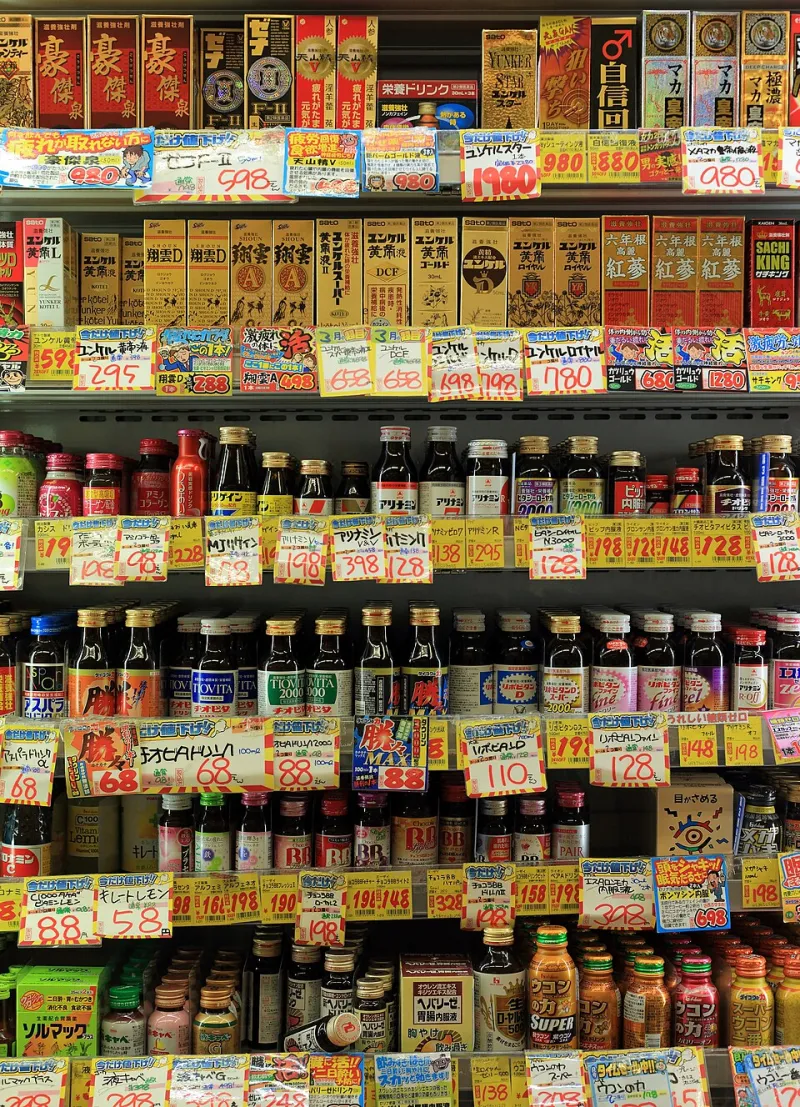
Photo: Leandro Kibisz (Loco085), CC BY-SA 2.5, via Wikimedia Commons
The first thing that strikes you about a lot of Japanese romance stories is what they leave out. There is no grand monologue at an airport. There is no rain-soaked kiss in the third act. There is a convenience store, a train platform, a shared umbrella, and a character who says almost nothing but means everything. For a growing number of U.S. readers in 2026, that restraint is the draw.
Japanese romance novels, manga, and dramas have been available in the U.S. for decades, but the current appetite feels different. It is broader, less niche, and more mainstream. BookTok has helped. Streaming services have helped. So has a general fatigue with romance stories that confuse volume for intimacy.
The Appeal of the Unsaid
American romance often runs on declaration. Characters tell each other how they feel, loudly, at the climax. Japanese romance often runs on implication. A character notices that the other person always buys the same drink. A character waits at the station even though they said they would not. The feeling is in the detail, not the speech.
For readers, that can be a relief. Not every emotion needs a speech. Not every relationship needs a soundtrack. There is pleasure in reading a story where you have to lean in a little, where the author trusts you to notice the small stuff.
Tokyo as a Character
Tokyo settings do a lot of work in these stories. The city is dense, efficient, and full of small enclosed worlds: a kissaten, a bookstore, a rooftop, a train car at midnight. A romance can feel intimate because the city is so big and the characters have carved out a tiny space for each other.
American readers seem to be responding to that contrast. A story set in a cramped Tokyo apartment can feel more romantic than a story set in a sprawling American house, because the characters cannot avoid each other. The proximity is the plot.
From Manga to Literary Fiction
Part of what is fueling the trend is range. Japanese romance is not one thing. It includes shoujo manga with slow-burn confessions, josei manga about adults navigating work and love, light novels with supernatural twists, and literary fiction that happens to be about relationships.
On the manga side, titles like 'A Sign of Affection' and 'Horimiya' have found enthusiastic U.S. audiences. On the drama side, 'First Love' and 'Cherry Magic' have introduced new viewers to Japanese romance tropes. In literary fiction, novels like 'Before the Coffee Gets Cold' and 'Convenience Store Woman' are not romance in the genre sense, but they share the same interest in quiet, interior lives.
What the Trend Says About American Readers
The appetite for Japanese romance is not just about escapism. It is also about a shift in what U.S. readers want from love stories. There is less patience for toxic drama framed as passion. There is more interest in consent, communication, and the ordinary work of being close to someone.
That does not mean Japanese romance is perfect. It has its own tropes and problems: the cold male lead, the aggressive persistence, the fantasy of being chosen without having to ask. But at its best, it offers something American romance sometimes forgets: a belief that intimacy can be quiet.
A Newcomer's Starter Guide
If you are new to Japanese romance and do not know where to start, here is a short, opinionated list.
For manga, start with 'A Sign of Affection' by suu Morishita. It is a sweet, gentle college romance with a deaf protagonist and a love interest who learns to communicate. If you want something funnier and spicier, try 'Sweat and Soap' by Kintetsu Yamada, about two coworkers who start a relationship for practical reasons and fall in love anyway.
For drama, watch 'First Love' on Netflix. It is a sweeping, nostalgic story with Hikaru Utada's music and a lot of snow. For something lighter, 'Cherry Magic' is a workplace romance with a mind-reading twist.
For novels, pick up 'Before the Coffee Gets Cold' by Toshikazu Kawaguchi. It is not strictly a romance, but it is about time, regret, and the people we want to see again. If you want something more contemporary, 'Convenience Store Woman' by Sayaka Murata is a sharp, strange, and oddly tender book about a woman who does not fit the script.
Where to Find Them
You do not need a specialty store. Most of these titles are available at Barnes & Noble, on Bookshop.org, or through your local library. Streaming services carry a growing catalog of Japanese dramas. If you have a Kinokuniya near you, go. If you do not, the internet is your friend.
The best way to start is not to read everything. It is to pick one story and pay attention to the small things. The way a character holds a cup. The pause before an answer. The moment when someone says less than they mean. That is where the romance lives.